Bonsai

P&B Bonsai collection

P&B Bonsai collection

Bonsai surprises with its power of expression, always presenting the same motive, a single tree or a group. At the same time Bonsai does not fail to show the beauty of nature itself. Part of the identity of the Mediterranean is due to the specific tree species or to the beauty of the nature of the habitat. The botanical names of Cultivars, in Latin, consist of three words, the name of the species of two words and a third name in apostrophes that define the Cultivar. Pinus nigra ‘Lara’ is the name for the Cultivar of black pine. The term Cultivar originates from English, as an abbreviation of two words, cultivated and variety (culti + var = cultivar).
Cultivars are propagated in plant nurseries and are grown in gardens or orchards. Cultivars do not propagate themselves spontaneously in nature. Cultivars are created in nurseries for their specific characteristics important for man. These characteristics are most often: bigger and sweeter fruits, better yield, frost or disease resistance as well as the colours of flowers or leaves of ornamental plants.

There are more than 20,000 cultivars of ornamental plants. Ornamental cultivars possess genetically controlled decorative characteristics.
For growing in small gardens or in containers, short shoots, small leaves, or short needles are important traits.
For the cultivation of bonsai trees in Japan, several dozen cultivars or individual plants with unique characteristics have been developed.
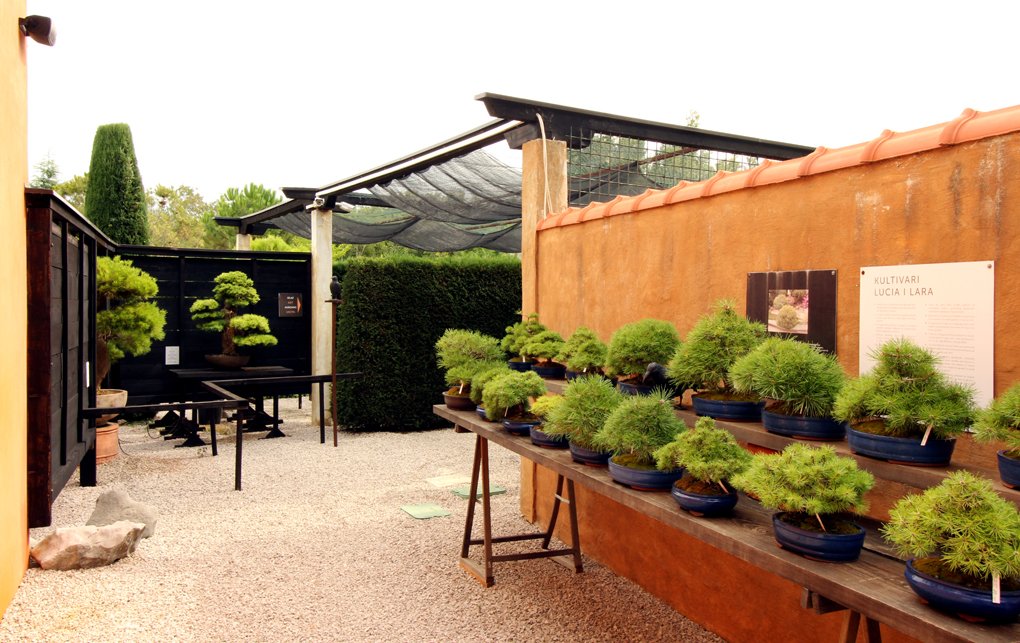
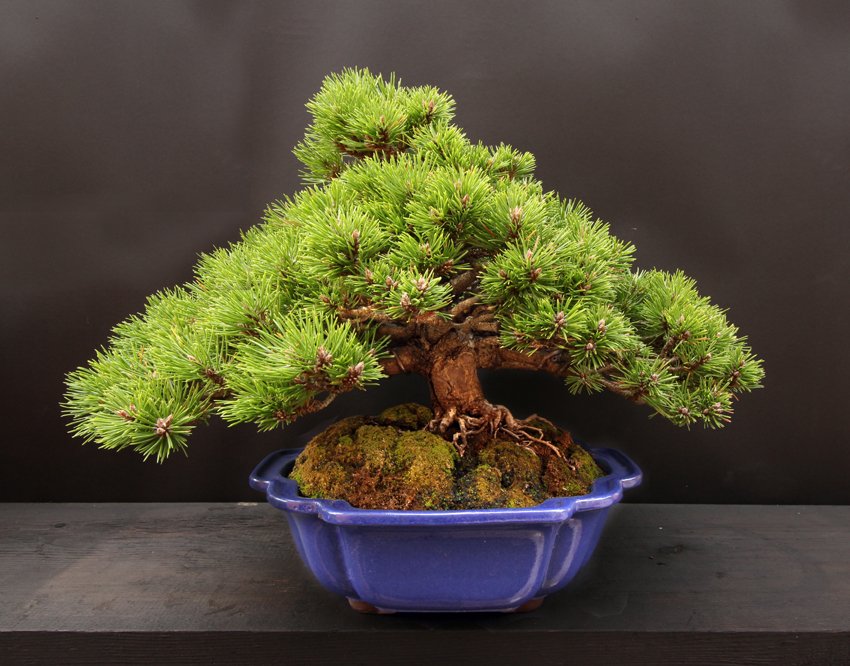
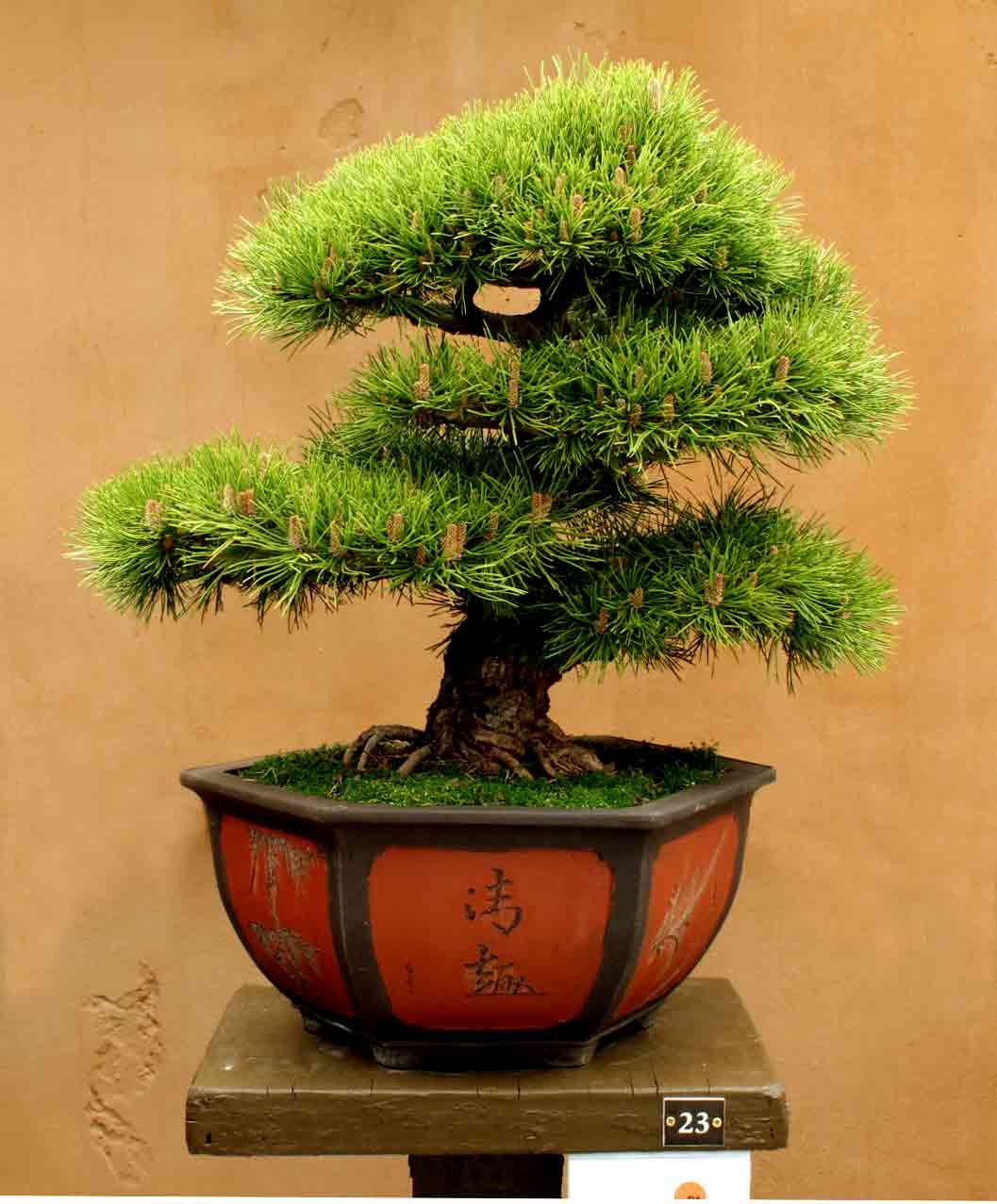
The cultivars of Aleppo pine Pinus halepensis ‘Lucija’ and black pine P. nigra ‘Lara’ were developed in 1997 in the P&B bonsai collection.
In the European Union, they are protected as the intellectual property of the P&B bonsai collection until the year 2037.
They possess genetically controlled traits: short needles and short shoots, as well as a unique color and texture of the needles and bark. They were created for cultivation in small gardens, containers, or for growing as bonsai trees.
The oldest specimens of our cultivars have been shaped as bonsai. We have strived to create a unique experience that exists only here.

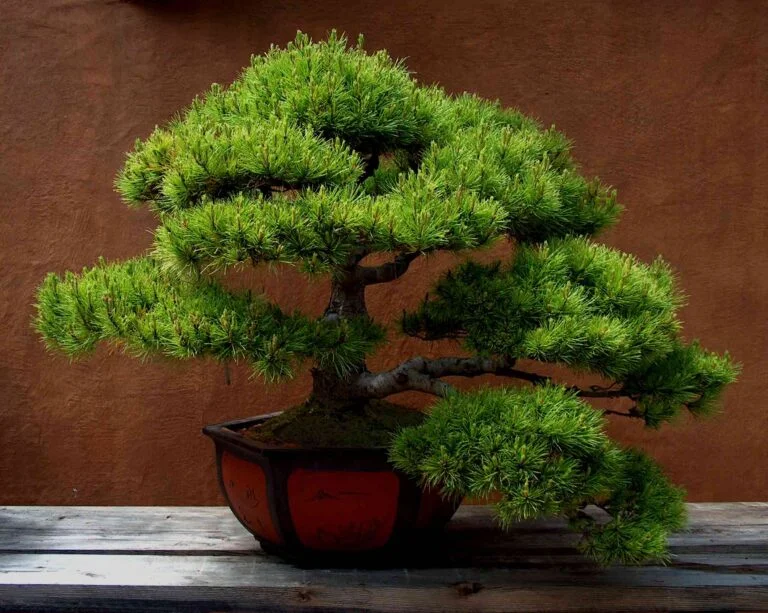
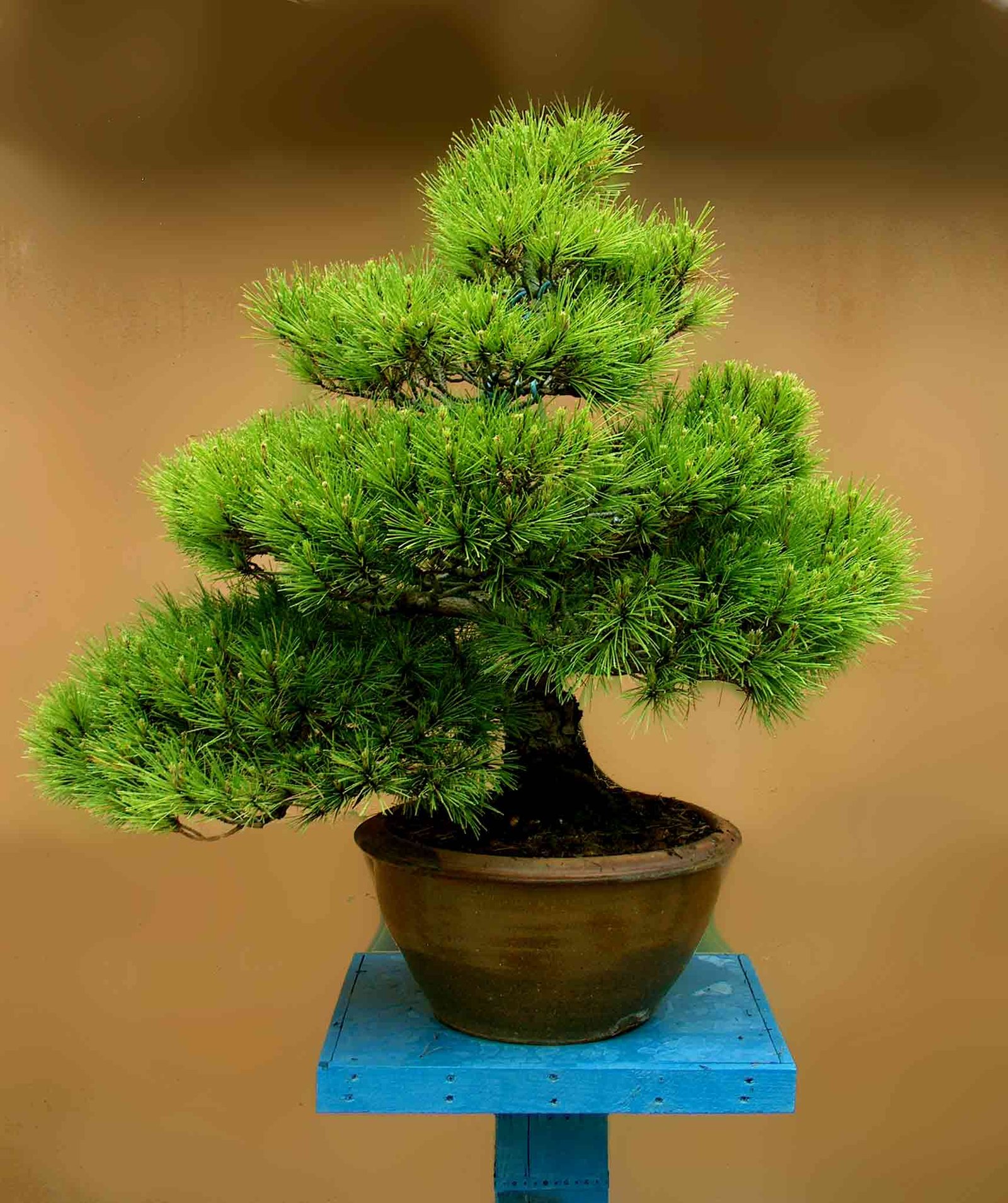
Pinus halepensis ‘Lucia’ From hybrid seed germinated in 1997. Hybrid seed produced by P&B Bonsai Collection, height 75 cm. Author: Petar Vrgoc


Pinus halepensis ‘Lucia’

The tree on left hand side from hybrid seed germinated in 1997and the tree on right hand side from cuttings rooted in 2000. Hybrid seed and cuttings produced by P&B Bonsai Collection, height 75 cm.

Author: Petar Vrgoč

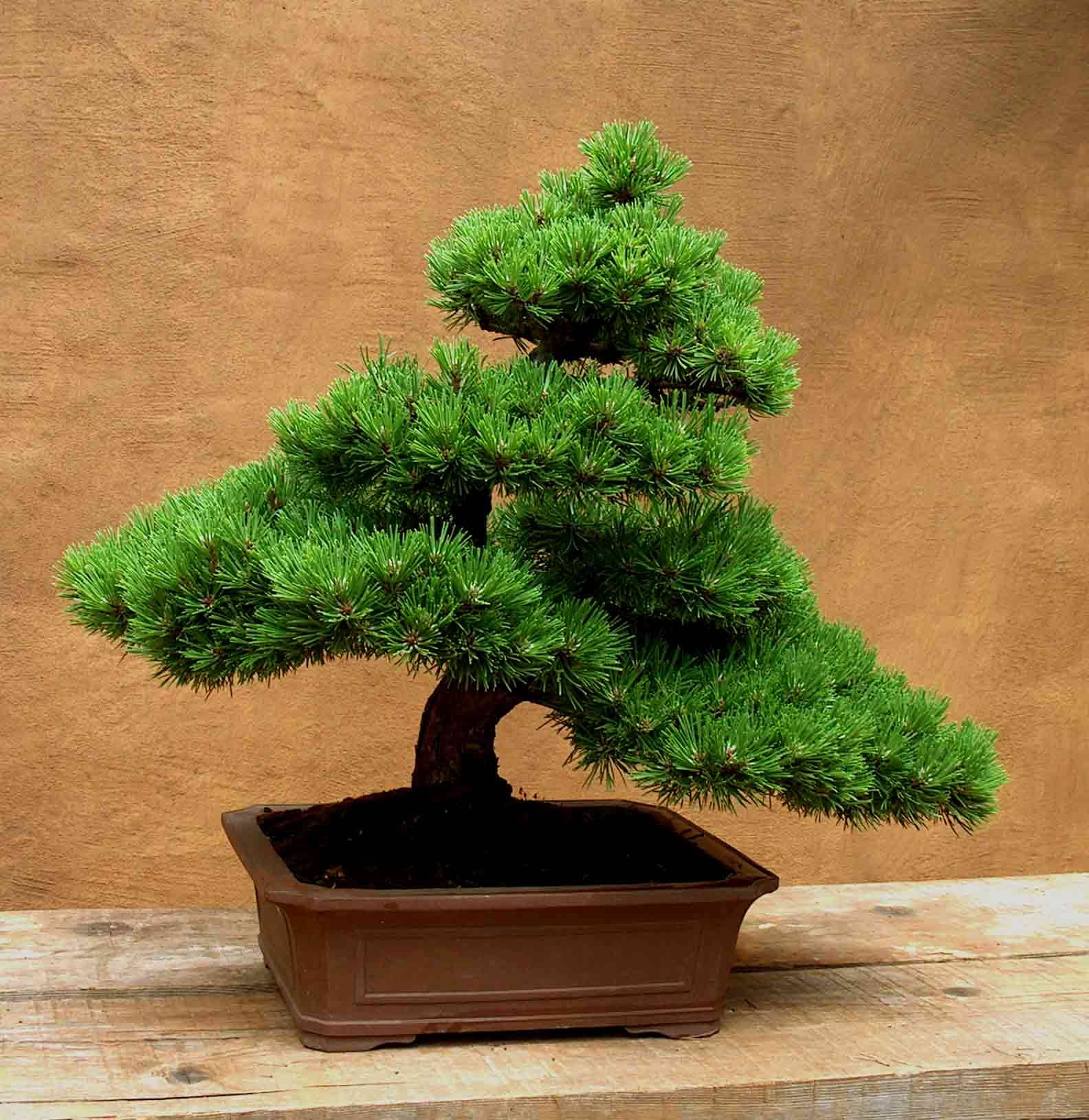
Pinus halepensis ‘Lucia’

Propagated by means of grafting on to Aleppo pine (P. halepensis) rootstock, 1997, in the nursery of P&B Bonsai Collection, height 75 cm.

Author: Petar Vrgoč

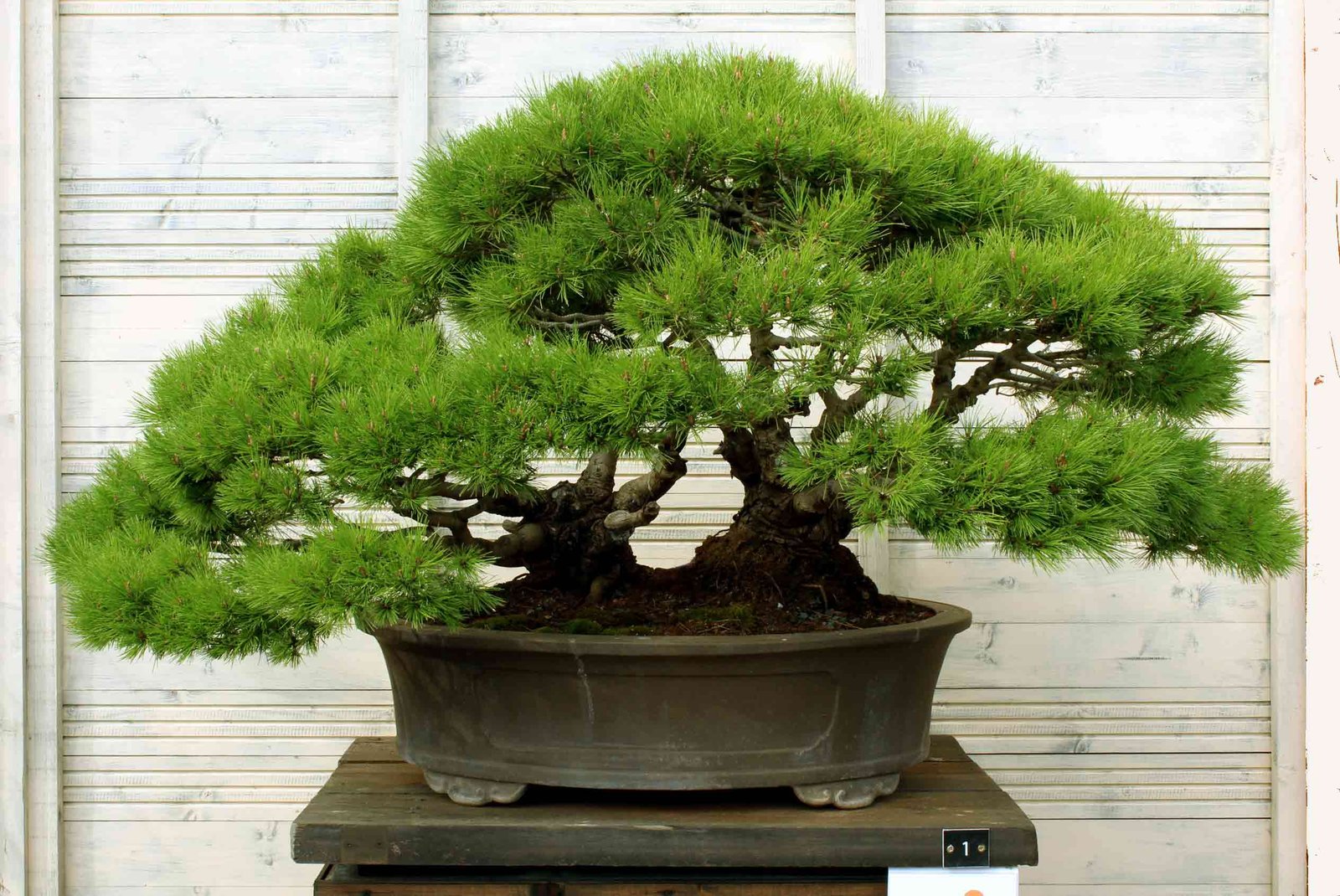
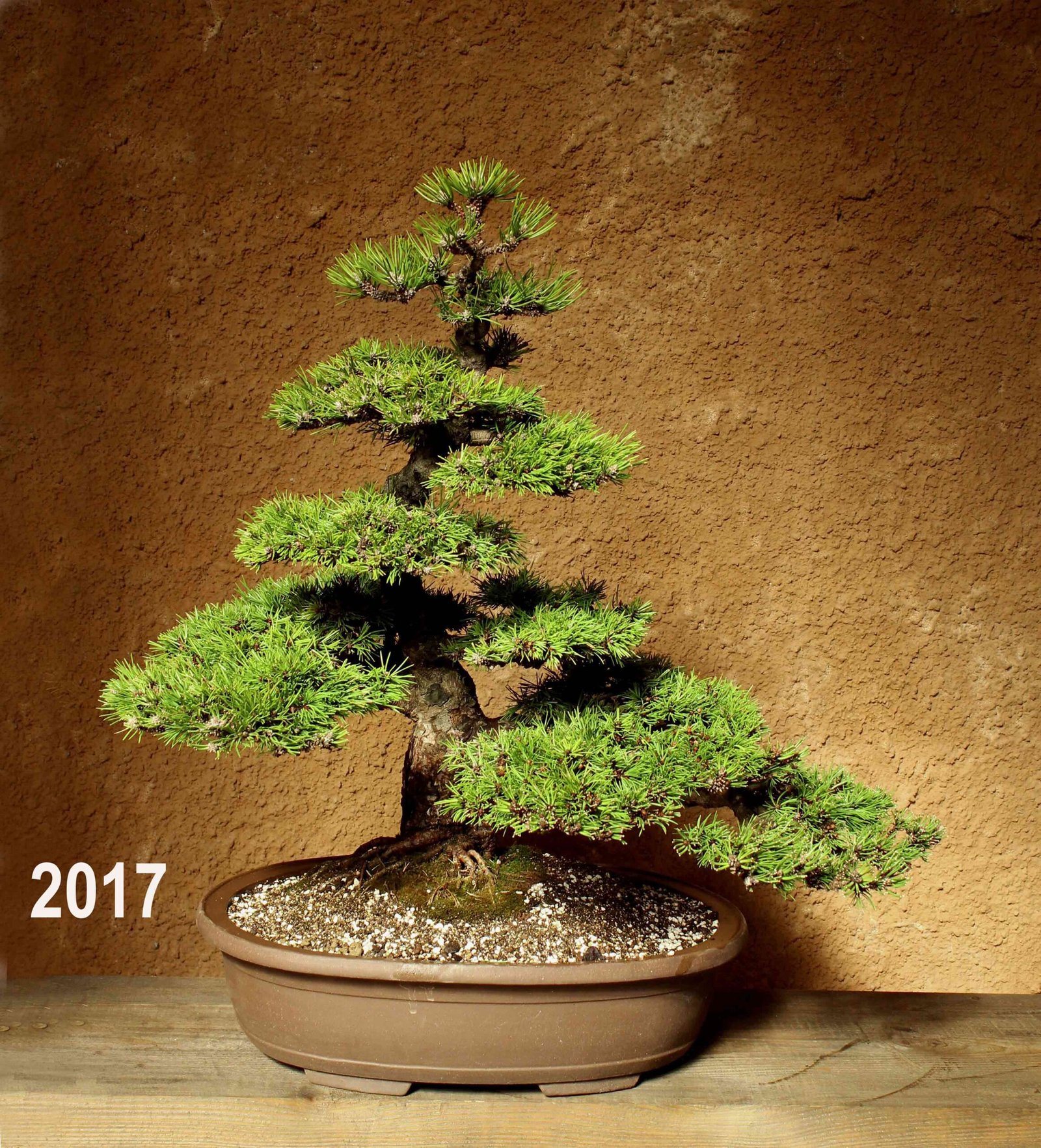
Pinus nigra ‘Lara’

Propagated by means of grafting on to Black pine (P. nigra) rootstock, 1997, in the nursery of P&B Bonsai Collection, height 57 cm.

Autor: Petar Vrgoč

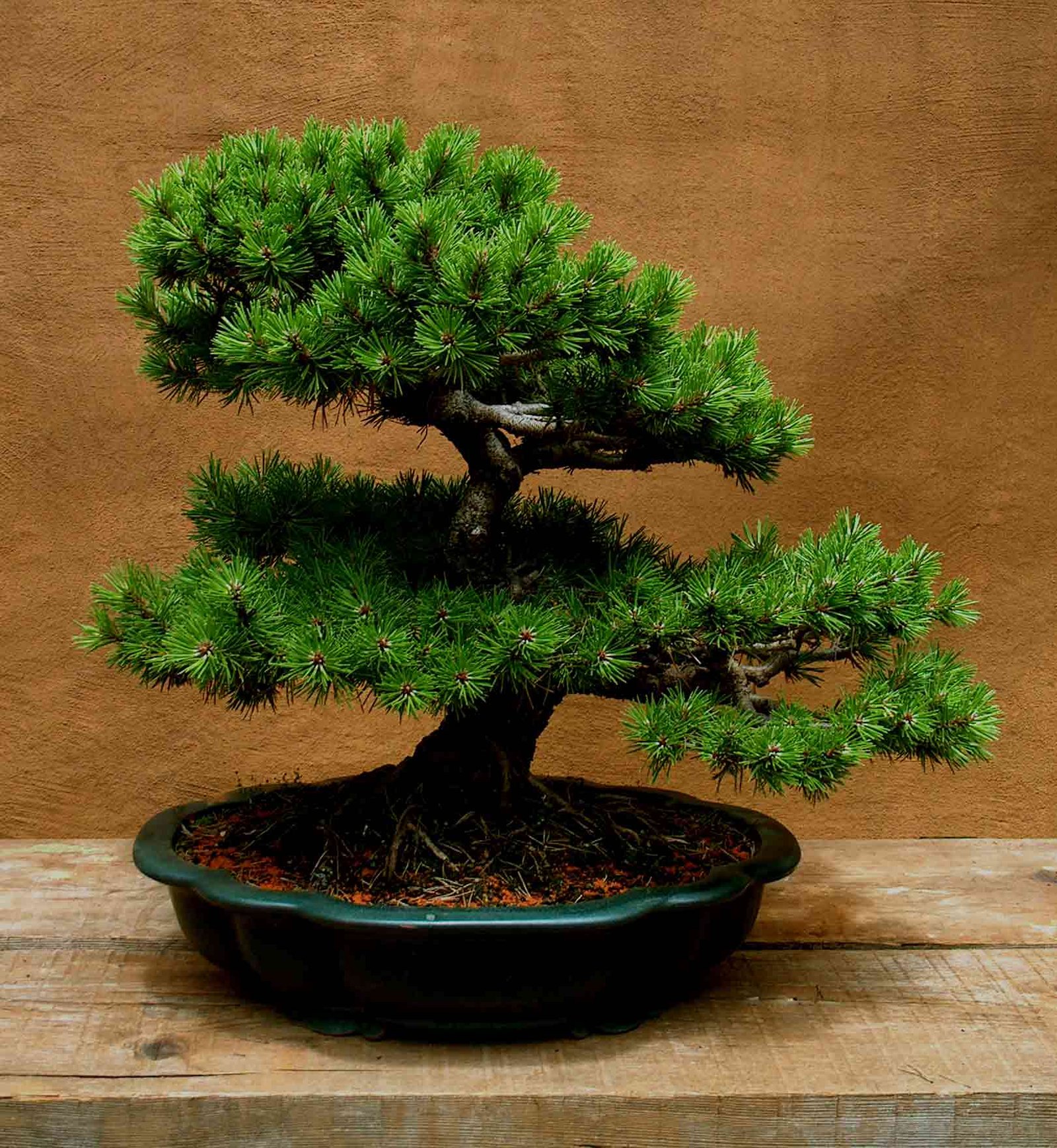
Pinus nigra ‘Lara’

Propagated by means of grafting on to Black pine (P. nigra) rootstock, 1997, in the nursery of P&B Bonsai Collection, height 68 cm.

Autor: Petar Vrgoč

Pinus nigra ‘Lara’

From hybrid seed germinated in 1997. Hybrid seed produced by P&B Bonsai Collection, height 50 cm.

Autor: Petar Vrgoč

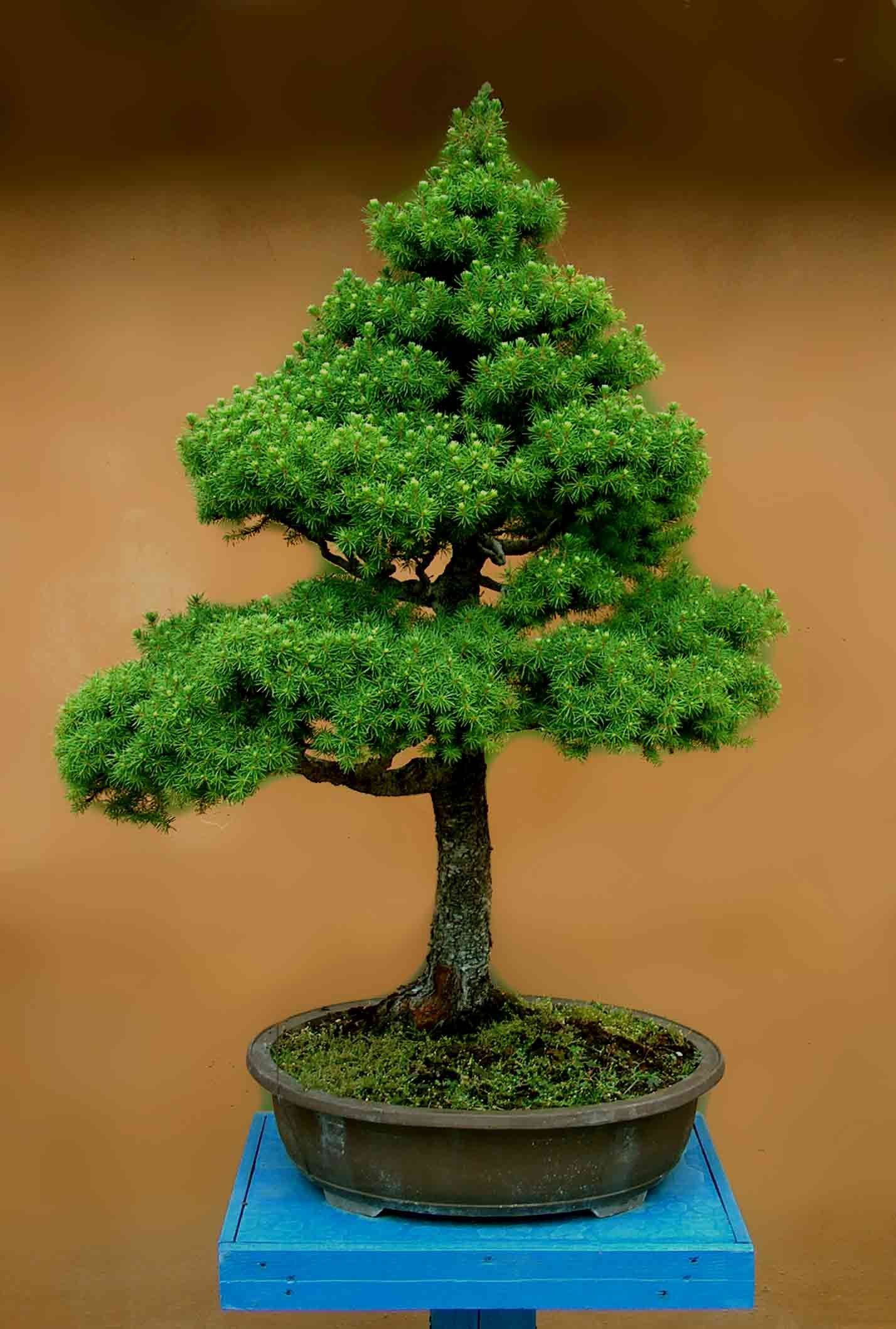
Pinus nigra ‘Lara’

From hybrid seed germinated in 1997. Hybrid seed produced by P&B Bonsai Collection, height 30 cm.

Author: Petar Vrgoč

Pinus nigra ‘Lara’

From hybrid seed germinated in 1997. Hybrid seed produced by P&B Bonsai Collection, height 65 cm.

Author: Petar Vrgoč

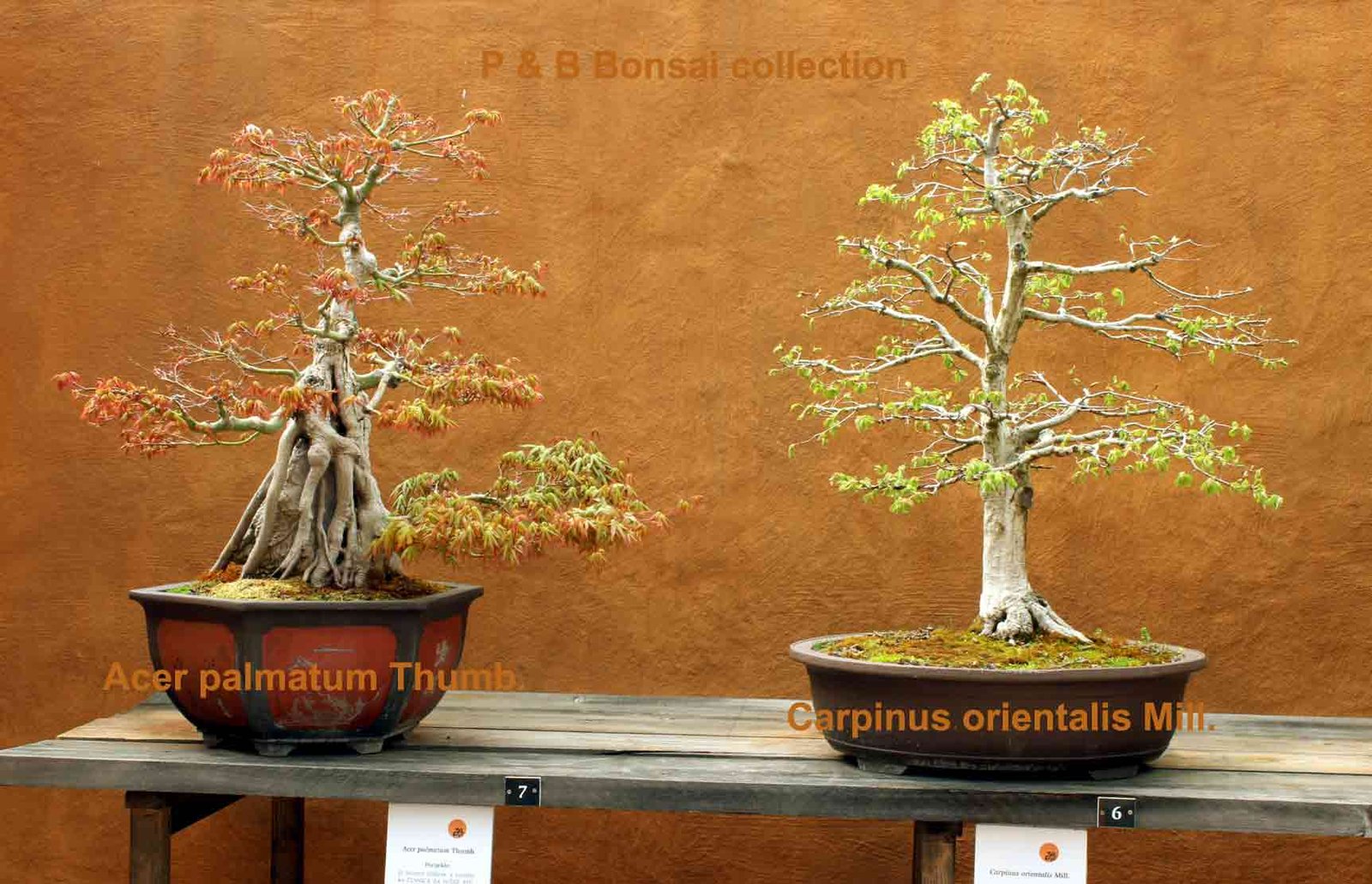
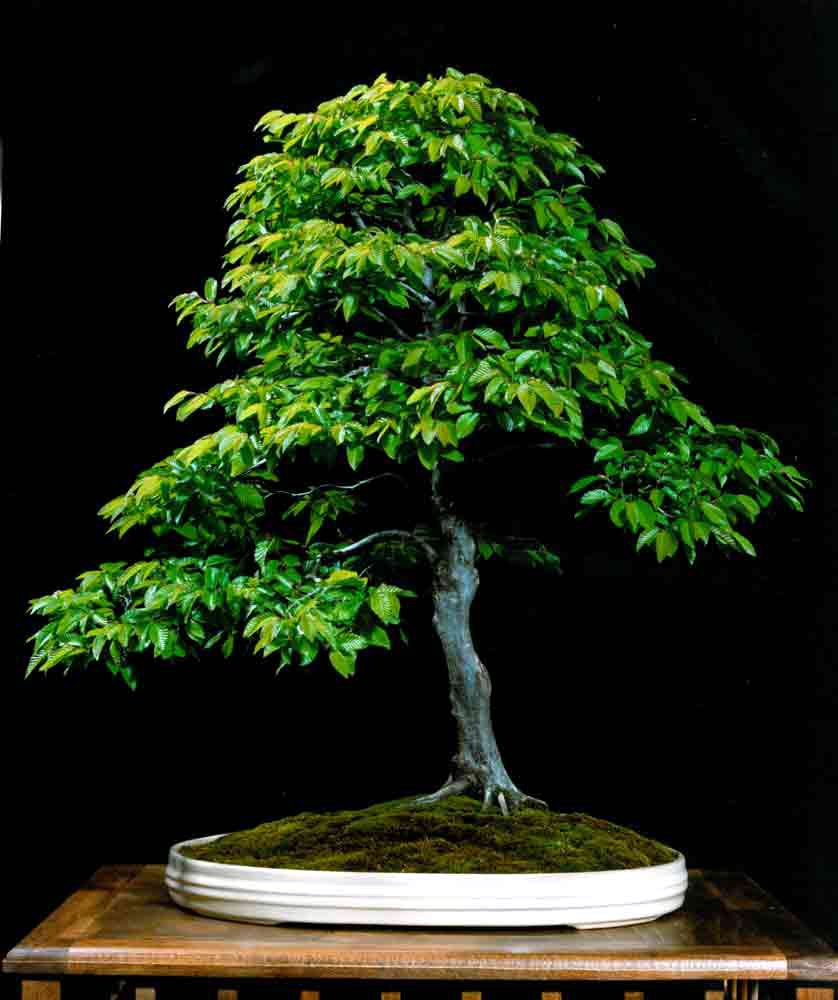
Carpinus orientalis Mill., height 65 cm, Author: Petar Vrgoč

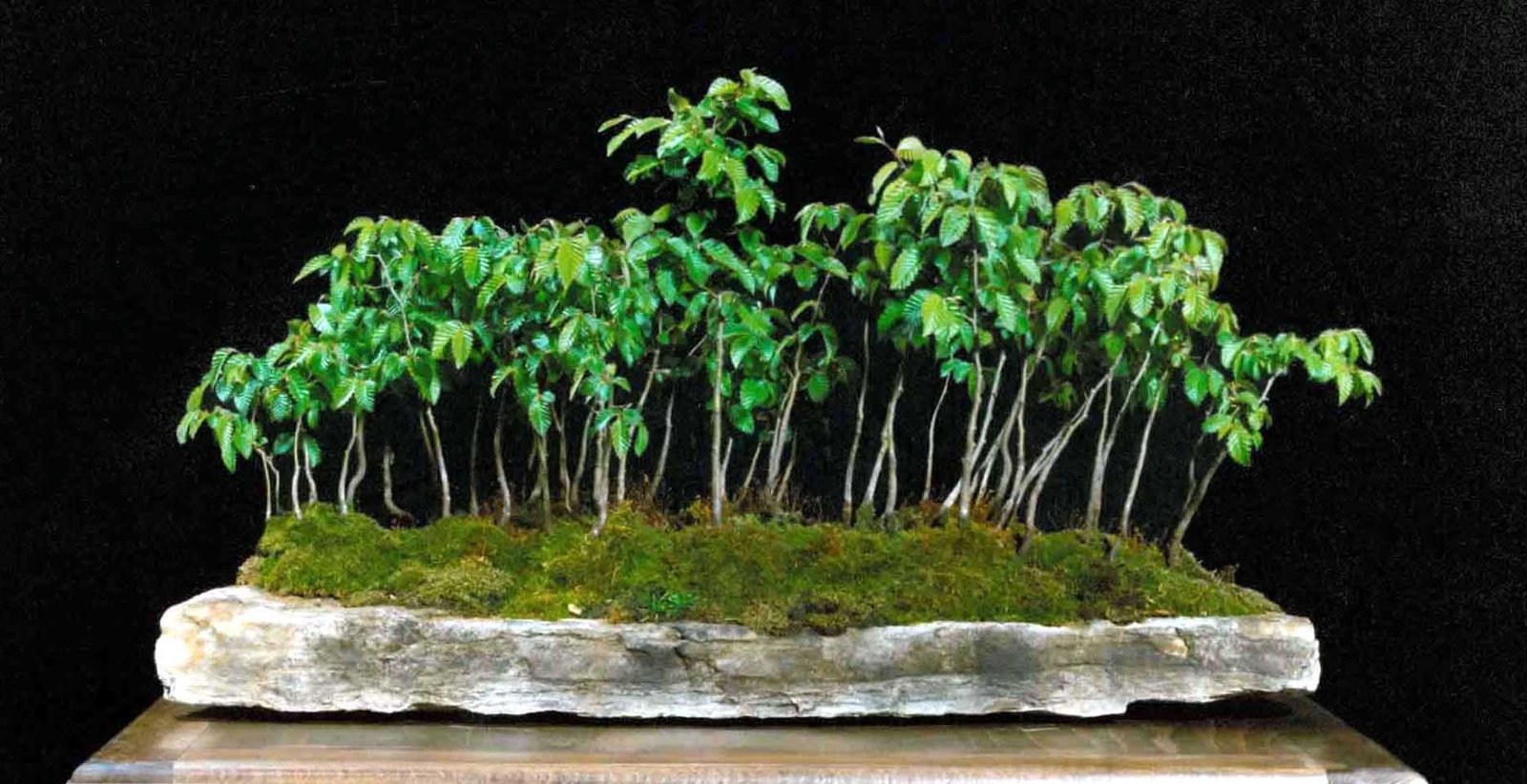
Carpinus orientalis Mill., height 25 cm, Author: Petar Vrgoc

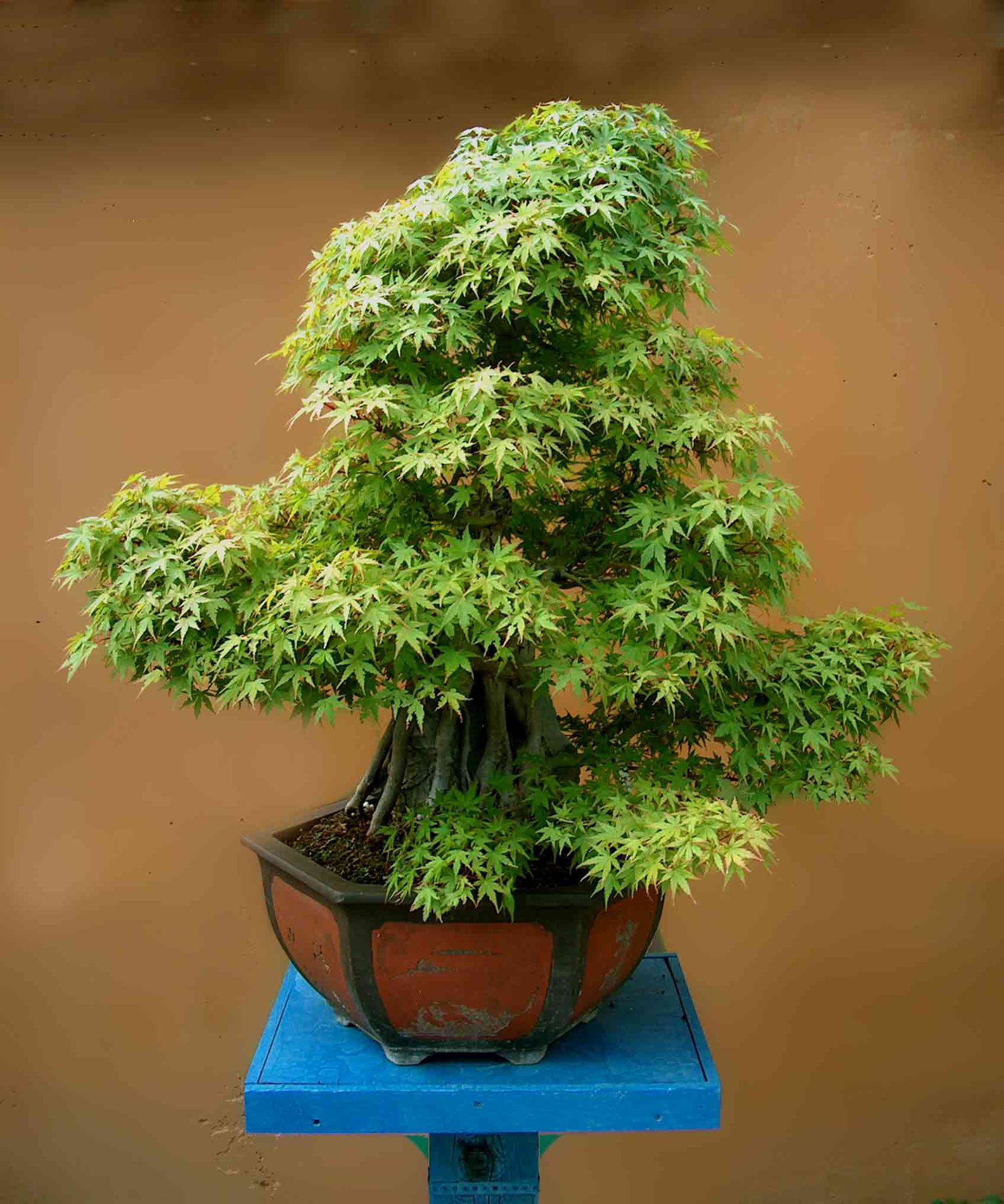
Acer palmatum Thumb. (in summer)


From cuttings rooted 1993, mounted on Island Krk rock 1995, since than grown in P&B Bonsai collection, height 100 cm.

Author: Petar Vrgoč, Malinska

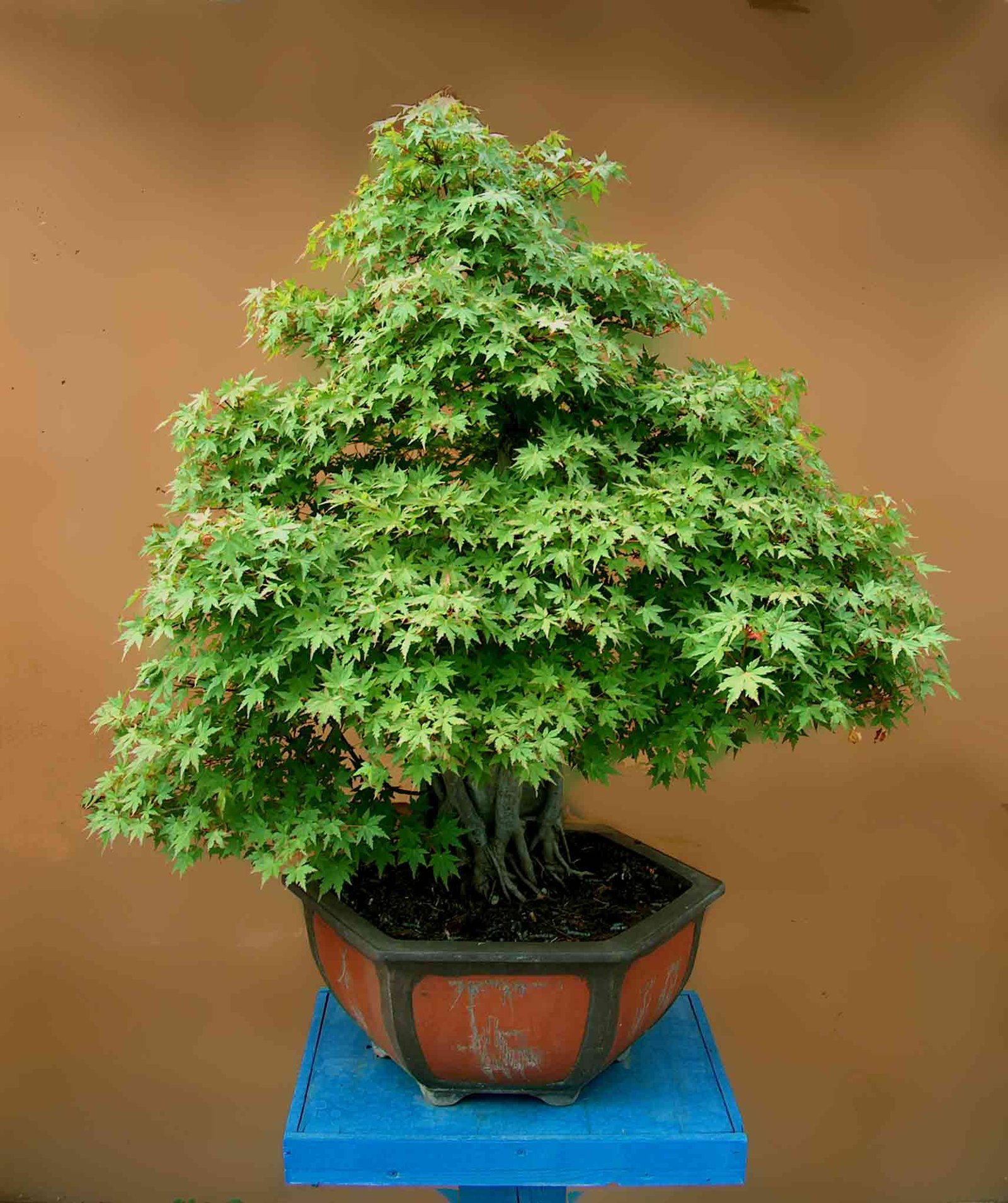
Acer palmatum Thumb.

From cuttings rooted 1993, mounted on Island Krk rock 1995, since than grown in P&B Bonsai collection, height 100 cm.

Author: Petar Vrgoč, Malinska

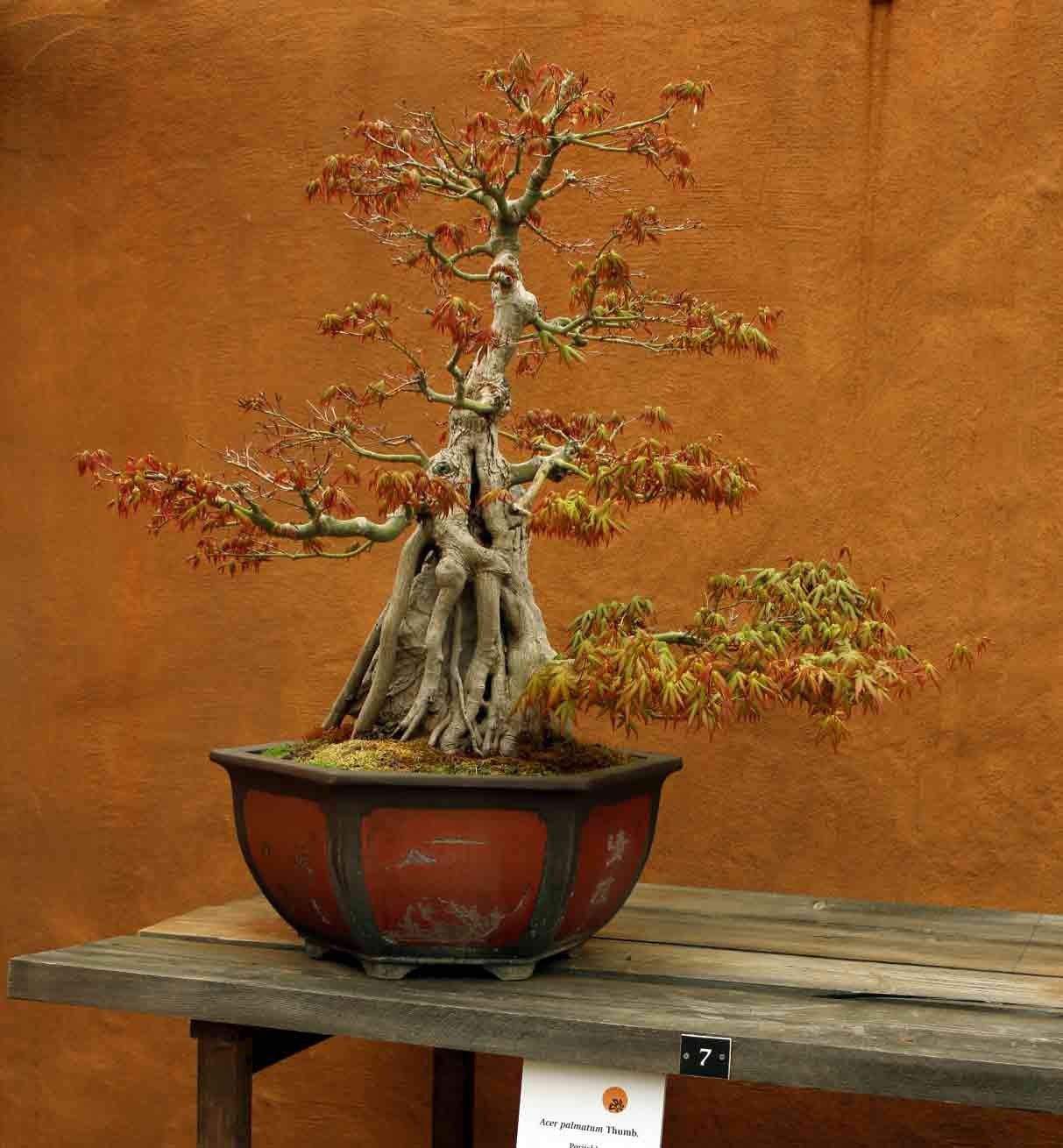
Acer palmatum Thumb., (begining of spring)

From cuttings rooted 1976. The tree was growing up in P&B Bonsai Collection since 1990. Author: Krunoslav Vrgoc (1934–2011†)